
In today’s world, where just about everything has gotten a digital makeover, art has certainly not been left behind. Artists took a massive leap from traditional canvases and sculptures to the digital realm several decades ago, and let me tell you, it’s been a wild ride ever since.
Digital art isn’t just another medium — it’s a revolution that’s reshaping how we create and appreciate art. From breathtaking 3D animations that seem to jump right out at you to digital paintings that blur the lines between reality and fantasy, the world of digital painting is as boundless as the imaginations fueling it.
In this ultimate guide, we will shed light on the vibrant world of cyber art, where imagination meets technology. Moreover, experiencing each digital brush stroke ignites a symphony of artistic expression.
If you are a creative enthusiast or an art curious, let’s get on a journey to explore the evolution, types, applications, and tools of digital art.
What Is Digital Art?
Digital art is a modern artistic practice that leverages digital technology to create, display, and distribute artworks in innovative and dynamic ways.
Instead of traditional materials like paint and canvas, digital artists use software and hardware tools such as computers, tablets, and specialized graphic programs. This technology allows artists to create images, animations, or even three-dimensional models.
Moreover, digital art can include interactive elements, where viewers can change or influence the art themselves, which is not typically possible with traditional art forms.
History of Digital Art
Throughout its history, digital art has transformed with the times, continuously influenced by the latest technological advancements. It has grown from experimental beginnings into a significant and recognized form of artistic expression worldwide. Let’s take a quick look at the evolution of digital art, starting from its inception to the present day.
The Early Days (1950s – 1960s):
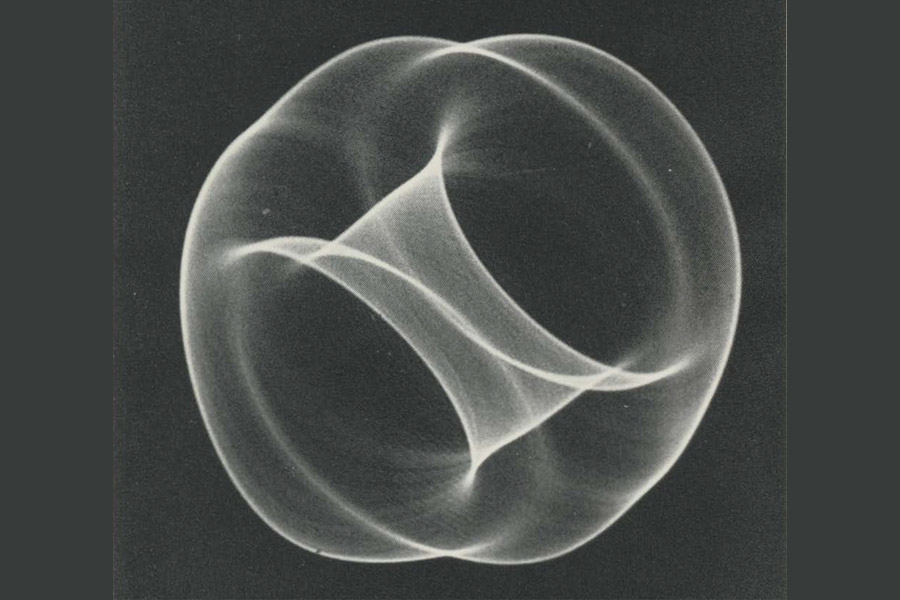
Digital art started when scientists and mathematicians began experimenting with computers. One of the earliest known practitioners was Ben Laposky, who created “Oscillon” artworks in the 1950s using an oscilloscope. These were electronic images produced by manipulating electronic waves on the screen of an oscilloscope.
Expanding Horizons (1970s):
As computers became more accessible, more artists started to explore their potential for creativity. The artist Harold Cohen created “AARON,” a robot programmed to make large drawings on sheets of paper. This period also saw the growth of computer art festivals and competitions, highlighting the expanding community of digital artists.
Digital Art Becomes Mainstream (1980s – 1990s):
With the introduction of personal computers and graphic design software like Adobe Photoshop, digital art began to gain a broader audience. Artists could now manipulate images in ways that were impossible with traditional tools, leading to new styles and forms of media, including digital painting and pixel art.
The Internet Age (2000s):
The Internet brought unprecedented connectivity, allowing digital artists to share their work globally with ease. Platforms like DeviantArt, and later Instagram and other social media, became popular places for artists to display their digital creations. This era also saw the rise of digital installations and virtual reality, expanding the environments in which cyber art could be experienced.
Contemporary Trends (2010s – present):
Today, digital painting continues to evolve with technological innovations. Artists are using artificial intelligence to create complex and surprising artworks. The rise of NFTs (non-fungible tokens) has introduced a new way for digital art to be collected and monetized, marking a significant change in how digital artworks are valued and traded.
Is Digital Art Real Art?
“Is digital art real art?” is a burning question among artists nowadays. The answer is ultimately a “Big Yes.” Its answer lies behind the understanding of art’s essence. No matter what medium you use to create the art, art is about creativity and expression. Whether playing with color or pixels or using the canvas or stylus, you showcase your creativity in your masterpieces.
Digital artists do the same work as traditional artists. They pour their heart and soul into their artwork by using innovative technology. Therefore, digital painting is undeniably real and even a testament to the evolving landscape of human creativity in the digital age.
“Within the digital creative matrix is a human consciousness that must utilize the traditional processes of understanding line, color theory, and subject matter – its linear function is the same by definition as traditional processes and must be judged and valued accordingly.”
– According to Steve Danzig
Where Is Digital Art Used?
Digital art has been a game changer, pushing the boundaries further than we ever imagined. Think about the last time you watched a movie with mind-blowing special effects or played a video game that felt like stepping into another world. That’s digital art in action, folks! It’s not just about replacing the old with the new; it’s about creating art in ways that were once thought impossible.
Apart from the entertainment industry (movies, video games, animations, and cartoon movies), digital art is also used for commercial purposes (media advertisements, ad designs, graphic designs), social media posts, official presentations, architecture, and the educational industry.
Types of Digital Art
The List of types of cyber art is very long. Primarily, in the digital painting trend, digital painting and drawing are at the top of the list. The artists use various digital art techniques to create a masterpiece using their imagination and creativity. The most common digital art types are:
Vector Art
You can make graphics with vector art software. In this software, you can create lines and shapes by using mathematical equations.
3D Modeling
The specific software is used to create three-dimensional objects. These specific software are also specialized in creating product design, animation, and gaming.
Digital Sculpting
Digital sculpting relates to creating virtual objects or characters by using digital tools such as ZBrush or Blender.
Photography
The most in-demand skill is capturing images with digital cameras. Then, improve them through editing software such as Adobe Photoshop or Lightroom.
2D and 3D Animation
In this art type, you can animate static images or objects and induce life in them through movement and sequences; the well-known software utilized for this purpose are After Effects for 2D, Maya 3D, Adobe Animate, and Blender.
Illustration
Illustration turns your concepts into visual representations. This type of illustration is often used in magazine books and digital media.
Digital Painting and Drawing
As traditional painting and drawing are created with hands and different materials, digital artwork is created by using software like Adobe Illustrator or Procreate.
The Role of Artificial Intelligence (AI) in Digital Art
Artificial Intelligence (AI) has changed the whole world of digital art. It also made it easier for humans to use it to create artwork without being much creative. It takes the responsibility of humans by offering them unparalleled opportunities for creativity and innovation.
The most intelligent and latest AI tools to enable artists to explore new frontiers. Alternatively, it aids humans in generating complex visual effects as well as making their artwork more realistic by incorporating virtual and augmented reality.
AI algorithms allow artists to automate tedious tasks and experiment with unconventional techniques. Moreover, it makes them capable of pushing the boundaries of the ordinary and impossible in digital art creation.
Famous Digital Art Artists
Famous digital artists are a great source of inspiration, especially for newbies in this field. These artists have been striving to push the boundaries of conventional artwork and bring innovation to their incredible art masterpieces.
12 years ago, David Hockney made the images with his thumbs by using the brushing app. In 2010, with the release of the first iPad, Hockney transformed his cyber art techniques by using the stylus. Playing in bold colors, he used an iPad to create the striking artwork.
Moreover, Hockney created his well-known series, The Yosemite Suite. Hockney once said, ‘There was a great advantage in this medium because it’s backlit and I could draw in the dark. I didn’t even have to get out of bed.
Zdzisław Beksiński was also a world-famous digital artist. He often created art on weird landscapes and creepy creatures. Despite creating his art on the computer, he induces the real soul in his artwork. He makes it a real masterpiece, which can be rather difficult to judge, whether it’s a traditional painting or a digital artwork. His spooky style is a great source of inspiration for those who can jump into this cyber art world.
Brian McSweeney is another influential figure in digital art. Born in Dublin, he has worked extensively in both traditional and digital mediums. Brian McSweeny is a contemporary artist who uses computer programs such as Maya to create 2-D and 3-D digital art and his career includes significant contributions to animation and video games. McSweeney’s works span across various platforms, from feature films to popular video games like “Diablo IV” and “Overwatch 2,” making him a versatile and innovative artist in the digital art realm.
Becoming a Digital Artist: Tools and Skills Needed
Nowadays, if you want to become a digital artist, you can go to school to acquire a digital art degree. These schools or colleges for computer-generated art enable you to equip yourself with the latest skills to cope with the need to create marvelous art using digital tools.
For digital art, the tools are changed from brushes, paints, and traditional canvases to monitors, drawing pens, and a bunch of different software. Different digital tools and software are used for different types of artwork. To be a digital artist, you need not only creativity but also technology prowess. You should be equipped with soft skills and hard skills simultaneously.
Soft skills:
- Well aware-of Illustration Software
- Image Editing
- Proficient in Digital Painting
- Video Editing and Motion Graphics Techniques
- 3D Modeling and Animation Skills
- Graphic Design and Layout Regulations
- Expertise in Color Theory and theme creation
- Font Management
- Knowledge of Typography
- UX/UI Design Rules for Web
- Augmented Reality (AR) as well as Virtual Reality (VR) Content Creation
Hard skills:
- Creativity and Innovation
- Adaptability and Flexibility
- Visual Communication
- Critical Thinking and Problem-Solving
- Emotional Intelligence and Empathy
- Continuous Learning and Skill Development
Digital Art Software
When it comes to digital art, the market is flooded with diversified computer-generated art apps, cyber art programs, and even free software. You can choose from the available digital art tool options that cater to your various needs and preferences.
Careers in Digital Art
In the cyber art industry, you can find a plethora of career opportunities. If you have creative and technical skills, you can create art for entertainment, marketing, publications, and software design.
It’s a versatile field for those who enjoy using creativity and productivity. If you’re pursuing a digital arts degree and have a stunning media art portfolio, you can get optimal benefits from the available career options in this cyber art field. The main career options for digital artists are:
3D Animator
A 3D animator creates characters, drawings, and scenes for animated movies. They use 3D modeling, animation software, and many other digital tools.
Cartoon Artist
A cartoon artist draws and designs cartoons. He can work as an individual or in a team collaboration. Many organizations like animation studios, new agencies, and publishing houses hire cartoon artists.
Graphic designer
Graphic designers turn their ideas into effective communication with the audience through graphics, typography, and illustrations.
Digital Illustrator
Illustrator creates illustrations for magazines, books, advertisements, and digital media.
Digital Painter
He creates digital paintings and artwork using digital tools and software. He usually creates for galleries, exhibitions, and commercial purposes.
How to Make Digital Art
With AI integration, computer-generated art has reached its climax. It proved to be a game changer which made digital art easier for beginners. If you are a digital art creator, first of all, you have to be familiar with your specific tools. Among AI digital art generators, ImageUpscaler stands out from the crowd. With its photo-generating capability, it is an amazing digital art maker. You have to enter your specific prompt as per your required artwork, and here you go with amazing results.
Steps to follow to generate an AI image from ImageUpscaler:
- First, write your prompt.
- Secondly, choose the type for your image.
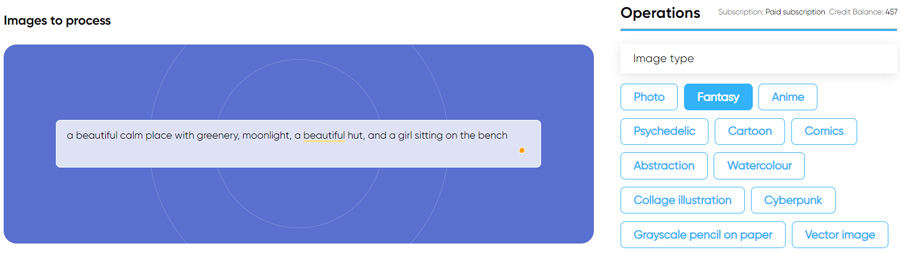
- And click on generate.
- And see the amazing result.
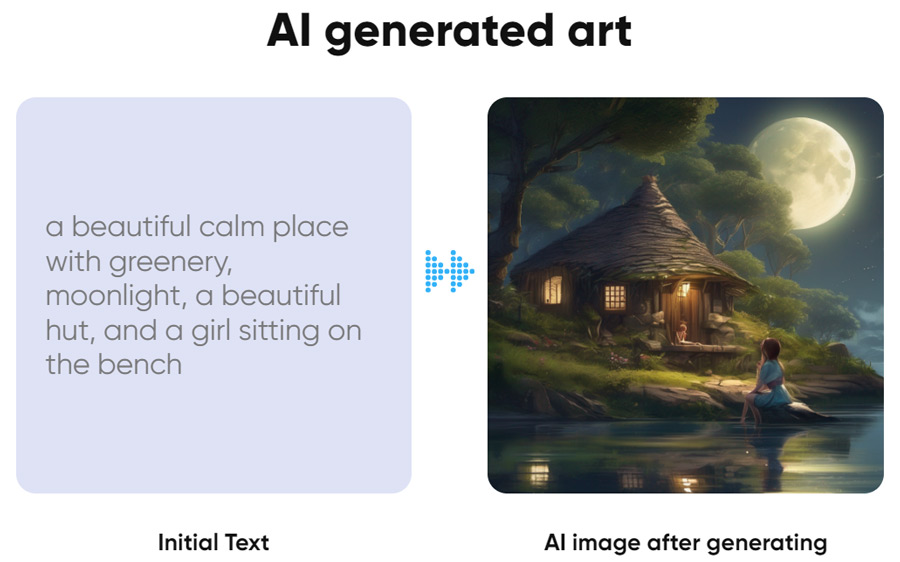
- Then, you can download this image to your device.
Digital Art Vs. Graphic Design
Digital art is an umbrella term and all other professions come under it. Art in digital fields is created by using different tools to express artistic and creative expressions. For instance, artists use diversified types of technology like audio, video, animation, and programming to create artwork. Also, Digital artists have the freedom to create their artwork and sell it on different platforms.
Alternatively, graphic designers communicate messages or solve problems using graphics, typographies, and photos. They often create logos, brochures, advertisements, and other marketing materials. Although both forms utilize computer tools, digital art involves personal expression, while graphic design emphasizes communication and functionality. Graphic designers create their designs on behalf of their clients, so they don’t have the freedom to use these designs for other purposes.
How To Sell Digital Art
You can sell digital artwork like digital products online. To sell cyber art, you need to determine some key points first. Where to sell, whom to sell, and how to sell. You can sell in digital form or in printed copy.
Moreover, you can start up from popular marketplaces like Freepik, Envato Elements, and Creative Market. For generating a passive income and handsome digital art commission, you can also start your own Etsy shop and sell artwork for prints, design templates, or fonts.
How To Copyright Digital Art
To secure your artistic efforts, you can claim copyright on your digital artwork. The copyright is seemingly a kind of certification that clearly a digital artwork belongs to you. To acquire this copyright certificate, you have to submit an application to the U.S. Copyright Office and include a copyright notice on each digital image.
Where to Buy Cyber Art?
Various online platforms offer these services, and you can get your favorite digital art from Etsy, Redbubble, Society6, ArtStation, Sedition, or KnownOrigin.
Before buying, you may wonder how to price digital art. The answer depends on the artist’s reputation and experience, the medium used to create the art, the size and quality of the artwork, and above all, its complexity.
Digital Art Examples
Digital art, a genre that uses digital technology as an essential part of the creative or presentation process, has a wide array of famous examples that span several decades. Here are some key pieces and artists who have made significant contributions to the field:
Early Innovations
“Oscillons” by Ben Laposky (1950s): These are considered some of the first examples of digital art, where Laposky used an oscilloscope to manipulate electronic waves and create abstract images.
“Computer Drawings” by Harold Cohen (1970s): Created using his robotic painter AARON, this artwork is a pioneering example of how robots can participate in the artistic process.
Graphic Design and Manipulation
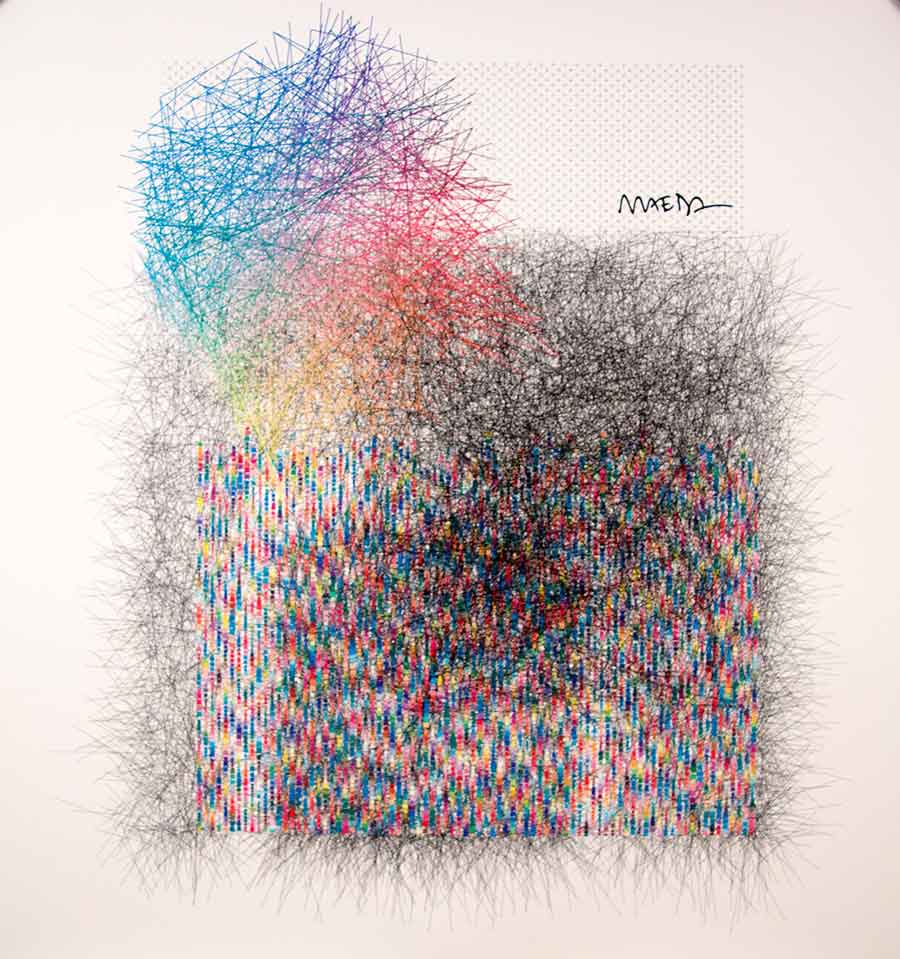
“Untitled” by John Maeda (1990s): A leading figure in interactive design, Maeda’s work blends technology and art, utilizing early computer software to create graphic designs that were ahead of their time.
“Jennifer in Paradise” by John Knoll (1987): This is the first image ever edited in Photoshop, marking a significant moment in the history of digital photo manipulation.
3D Modeling and Animation
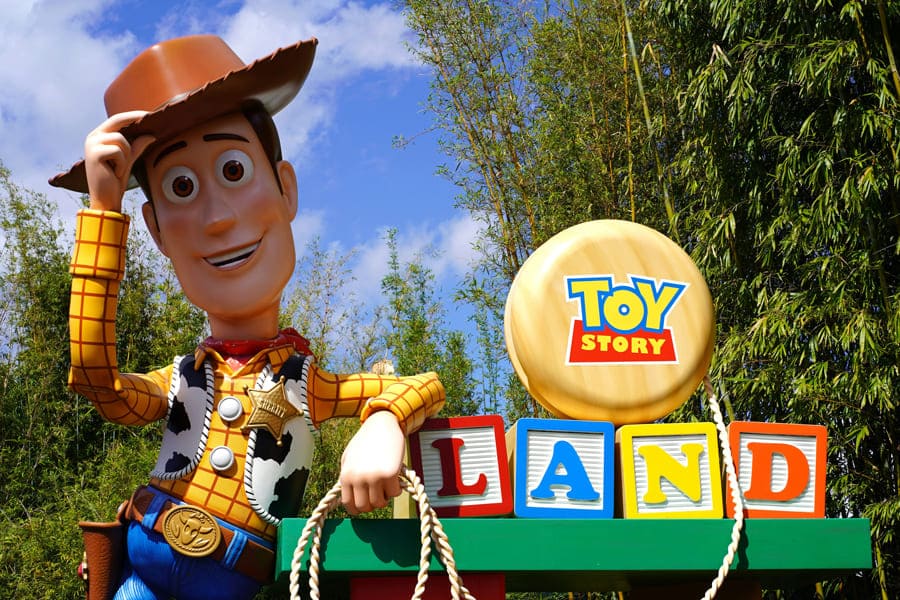
“Toy Story” (1995): Produced by Pixar Animation Studios, this was the first feature-length film made entirely with CGI (computer-generated imagery), revolutionizing animation and cinema.
Digital Installations
“The Treachery of Sanctuary” by Chris Milk (2012): An interactive triptych that uses motion sensors to make the viewer’s shadow transform into birds, exploring themes of human transformation and interaction.
Web-Based and Interactive
“DevArt” by Google (2014): An innovative project that encouraged developers to treat code as a form of art, resulting in a blend of technology and creativity showcased in various interactive digital installations.
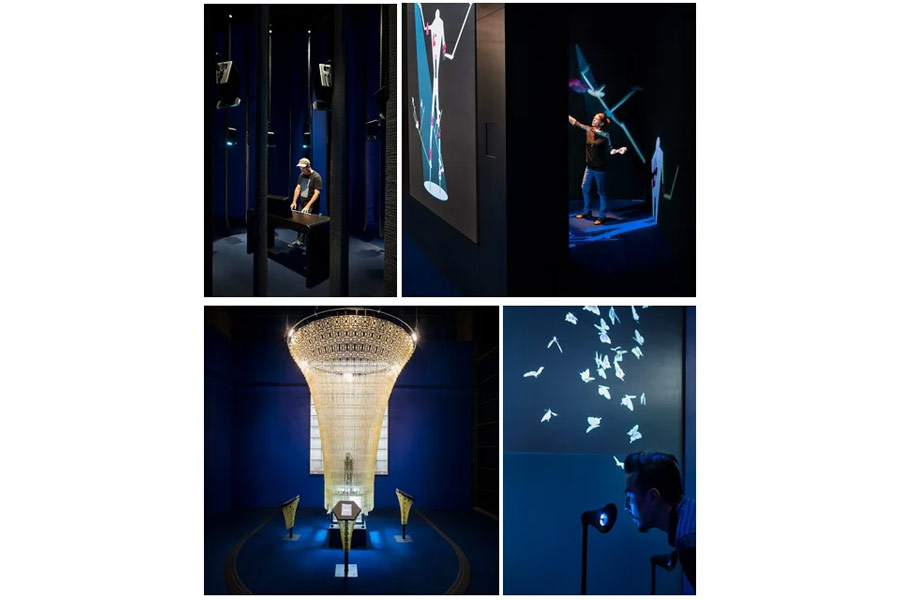
Photo Credit: Andrew Meredith
Artificial Intelligence
“Edmond de Belamy” by Obvious (2018): This portrait, generated by an AI algorithm, was one of the first AI artworks sold at a major auction house, raising questions about the role of AI in creative processes.

NFTs and Blockchain
“Everydays: The First 5000 Days” by Beeple (2021): A composite of 5,000 daily drawings, this piece sold as an NFT for over $69 million, highlighting the explosive impact of blockchain technology on the digital art market.

Each of these examples illustrates a significant development in the field of digital art, showcasing how artists have leveraged technology to push the boundaries of creative expression.


